Queen of Spades Explained: Meaning, Relationships, and the Empowerment Debate
The Queen of Spades, often shortened to QoS, is one of the more recognisable symbols within parts of the modern adult lifestyle scene. To people outside those circles, it can seem mysterious, provocative, or easily misunderstood. Within the subculture, it may signal desire, identity, relationship preference, or personal confidence.
Because the phrase often sits at the crossroads of sexuality, race, kink, and non-monogamy, it deserves a careful explanation. The meaning is not the same for everyone, and the conversations around it range from liberating to deeply uncomfortable. A balanced view starts with consent, context, and a willingness to look beyond the symbol itself.

What It Means
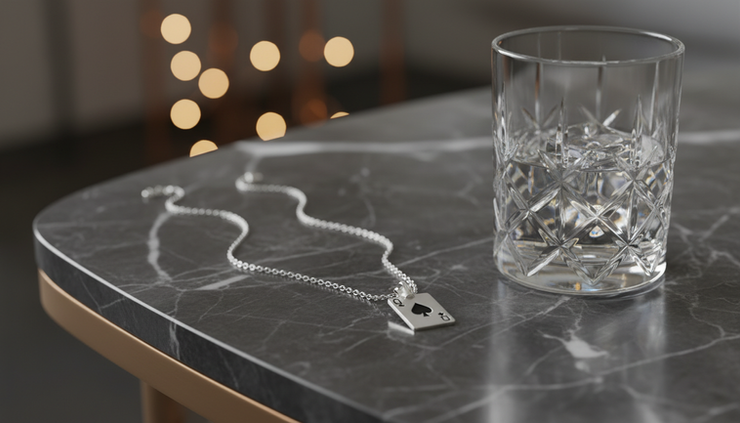
In adult lifestyle spaces, the Queen of Spades usually refers to a woman who signals attraction to Black men, often within a consensual non-monogamy, hotwife, cuckold, or interracial dating context. The symbol is most commonly shown as a spade, sometimes paired with a “Q”, often in jewellery, tattoos, profile icons, or private community language.
The term draws from playing-card imagery. In a deck, the queen suggests femininity, status, confidence, and sexual agency. The spade carries several layers of meaning. Visually, it is bold and simple. Culturally, it has also been used in adult symbolism to hint at preference, taboo, and coded desire.
Common ways the symbol appears include:
Tattoos Small spade designs may be placed on the ankle, hip, wrist, or lower back.
Jewellery Anklets, charms, necklaces, and rings can work as subtle signals in lifestyle spaces.
Online profiles Some people use the spade symbol to communicate preferences without writing them out directly.
Private community language In closed groups, QoS can act as shorthand for a wider set of lifestyle interests.
The phrase is connected to alternative lifestyle subcultures where symbols matter. Much like collars in BDSM communities or pineapples in some swinging circles, the Queen of Spades can function as a soft marker of belonging. That said, symbols are not universal. One person may see the spade as playful and empowering, while another may see it as loaded or objectifying.
Relationship Dynamics
The Queen of Spades identity often appears within relationship structures that already make room for consensual sexual or romantic experiences outside a traditional monogamous model. These may include open marriages, swinging, hotwife arrangements, cuckold dynamics, and broader consensual non-monogamy.
The key word is consensual. In healthy relationship dynamics, the symbol does not replace communication. It only makes sense where adults have agreed on boundaries, expectations, and emotional safety.
Open marriages and negotiated freedom
In an open marriage, partners agree that one or both may have connections outside the marriage. A woman who identifies with QoS may do so as part of that wider agreement. Her partner may be actively involved, quietly supportive, or simply aware of her preferences.
Good communication tends to cover:
What kinds of encounters are allowed
Whether emotional bonds are acceptable
What health and privacy practices are expected
How much each partner wants to know
What happens if jealousy or discomfort appears
Without these conversations, any symbol or label can become a source of confusion.
Hotwife and Cuckold subcultures
QoS is also often discussed in hotwife and cuckold contexts. In a hotwife dynamic, a woman’s outside desire is not treated as a threat to the relationship. It may be seen as part of her confidence and independence. In cuckold dynamics, one partner may experience arousal, vulnerability, or emotional intensity around the other partner’s encounters.
These dynamics are highly individual. For some couples, the focus is erotic role-play. For others, it may be about trust, compersion, exhibition of confidence, or exploring long-held fantasies. The healthiest versions tend to include regular check-ins, clear boundaries, and the freedom to pause or stop.
Consensual non-monogamy and identity
Not everyone who uses the Queen of Spades symbol fits neatly into a specific label. Some may be single. Some may be polyamorous. Some may enjoy the aesthetic or symbolism more than any fixed lifestyle path.
That flexibility is part of modern adult culture. People often mix language from different communities to describe a very personal relationship style.

The Empowerment Debate
The Queen of Spades subculture is often described by supporters as a form of sexual liberation. For many women, the symbol represents choice. It may express the freedom to define their own desire, step outside expectations of modesty or obedience, and reject shame around attraction.
That can be meaningful, especially for women who feel judged for being openly sexual. Choosing a symbol, wearing it publicly or privately, and naming one’s preferences can create a sense of ownership. In this view, QoS becomes less about pleasing others and more about self-definition.
Some people also connect the dynamic to confidence within long-term relationships. A partner who supports someone’s autonomy may see that support as a sign of trust rather than loss of control. For some couples, the conversations required by non-monogamy make the relationship more honest.
Still, the criticism cannot be brushed aside.
The most common concern is that the Queen of Spades can reduce Black men to a sexual stereotype. When attraction is framed mainly through race, it can slide into fetishisation. That can be harmful because it treats real people as symbols, fantasies, or status markers rather than full individuals.
There are also cultural taboos at play. Interracial desire has a long and painful history in many societies, including histories shaped by racism, sexual control, and social punishment. Because of that, symbols that appear playful to one person may feel uncomfortable or dehumanising to another.
A culturally aware approach asks better questions:
Is the attraction respectful, or does it rely on stereotypes?
Are all people involved treated as whole individuals?
Is race being used as a prop for taboo?
Are boundaries and consent clear for everyone?
Can criticism be heard without defensiveness?
The difference between preference and fetish is not always simple, but respect is a useful test. A preference still leaves room for individuality. A fetish often flattens people into a category.

The Queen of Spades is best understood as a charged symbol, not a single fixed identity. It can represent autonomy, sexual confidence, and consensual exploration. It can also raise valid concerns about race, objectification, and taboo.
The most thoughtful conversations hold both truths at once. Adults can explore desire freely, but freedom works best when paired with consent, self-awareness, and respect for the people behind the fantasy.


Comments